

Precision spectrum
beyond the bench.
How mobile spectrum monitoring vans are changing RF surveillance across West Africa.
Region
Gambia · Ghana · Sierra Leone
Coverage
9 kHz – 3 GHz
Platforms
Mobile vans · Fixed stations
The electromagnetic spectrum is invisible, yet it powers everything from mobile phones to television broadcasts, from emergency services to satellite communications. Managing this resource requires technology that can go anywhere, see everything and never miss a signal.
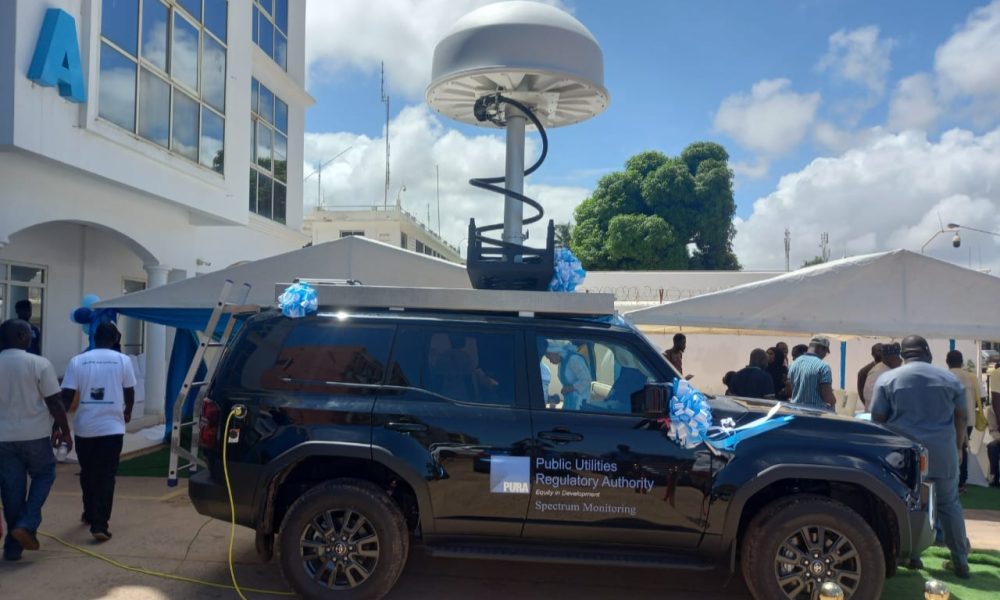
Launching the PURA broadcast monitoring vans
A highway you
cannot see.
Think of the radio frequency spectrum as a highway — but one where you cannot see the traffic. Telecommunications operators, broadcasters, emergency services, government agencies and countless others all share this limited resource. When someone operates outside their assigned lanes, or without authorisation, chaos follows.
Interference disrupts mobile networks. Illegal transmissions compromise aviation safety. Unauthorised broadcasters steal bandwidth from legitimate operators. And traditional fixed monitoring stations? They can only watch from the sidelines, unable to chase down the source of problems.
Regulatory authorities needed mobility. They needed precision. They needed to bring the full power of a spectrum analysis laboratory directly to the source of interference, wherever it might be.

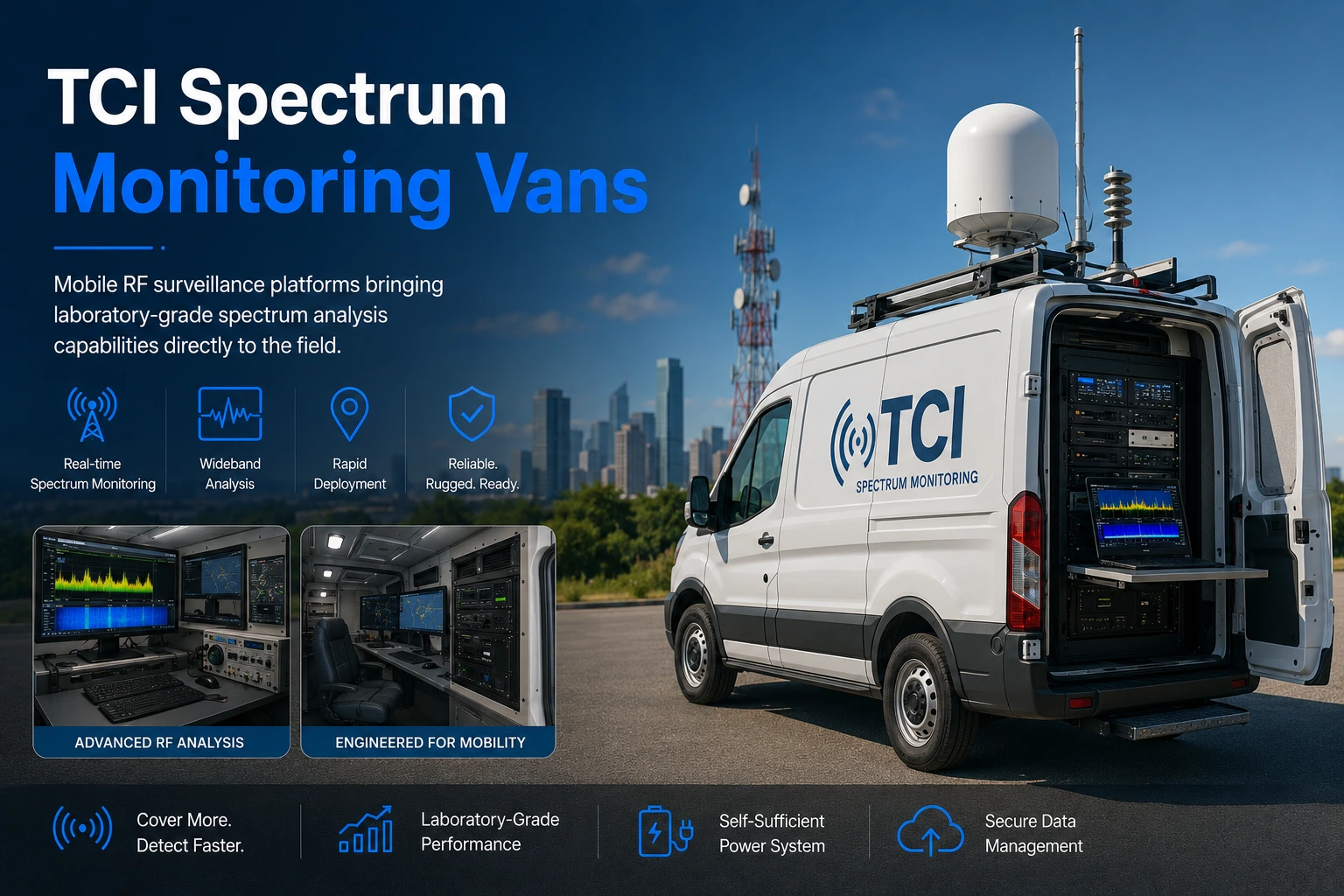
TCI mobile unit
Mobile SMS units increase the flexibility of a spectrum monitoring network. TCI supplies vehicles in many models, sizes and capabilities.
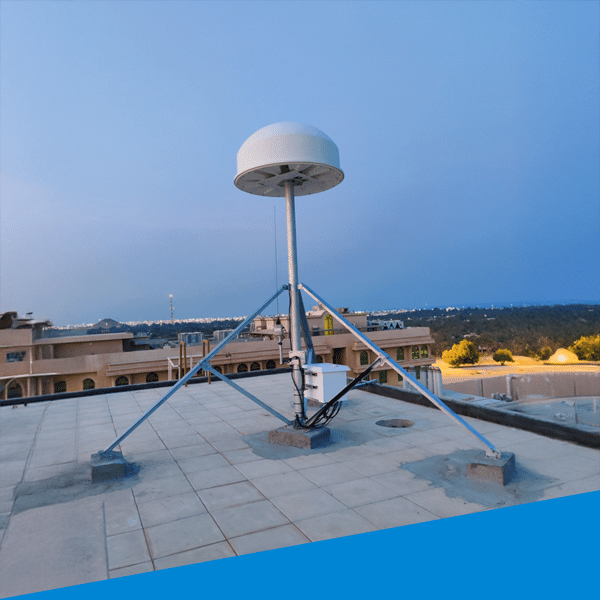
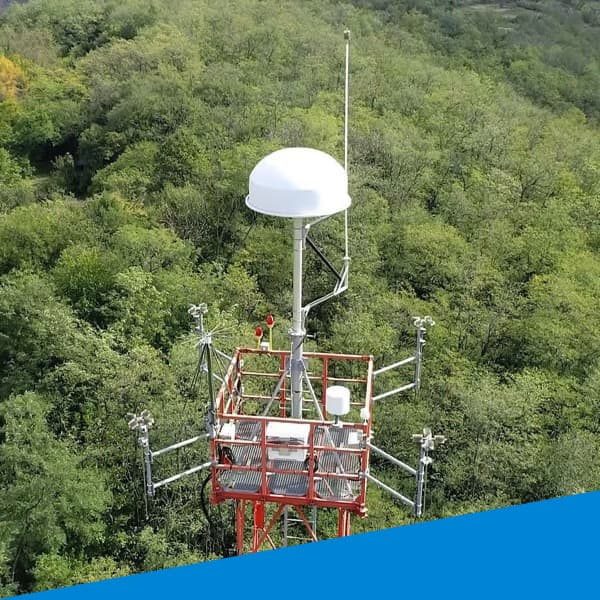
Fixed monitoring stations
Fixed SMS stations provide continuous 24/7 monitoring of transmitters, detect unauthorised frequency use and verify compliance with spectrum licences.
“These mobile units changed the game. We went from chasing ghosts to pinpointing interference sources with surgical precision.”
Director of Engineering, National Telecommunications Authority
Laboratory-grade,
field-deployable.
The equipment behind the mobile and fixed monitoring capability — vans, fixed stations and quality-of-service testing.
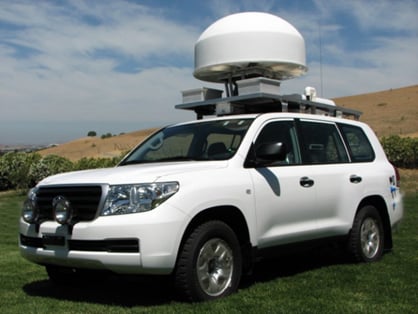
TCI mobile monitoring
Van-mounted systems
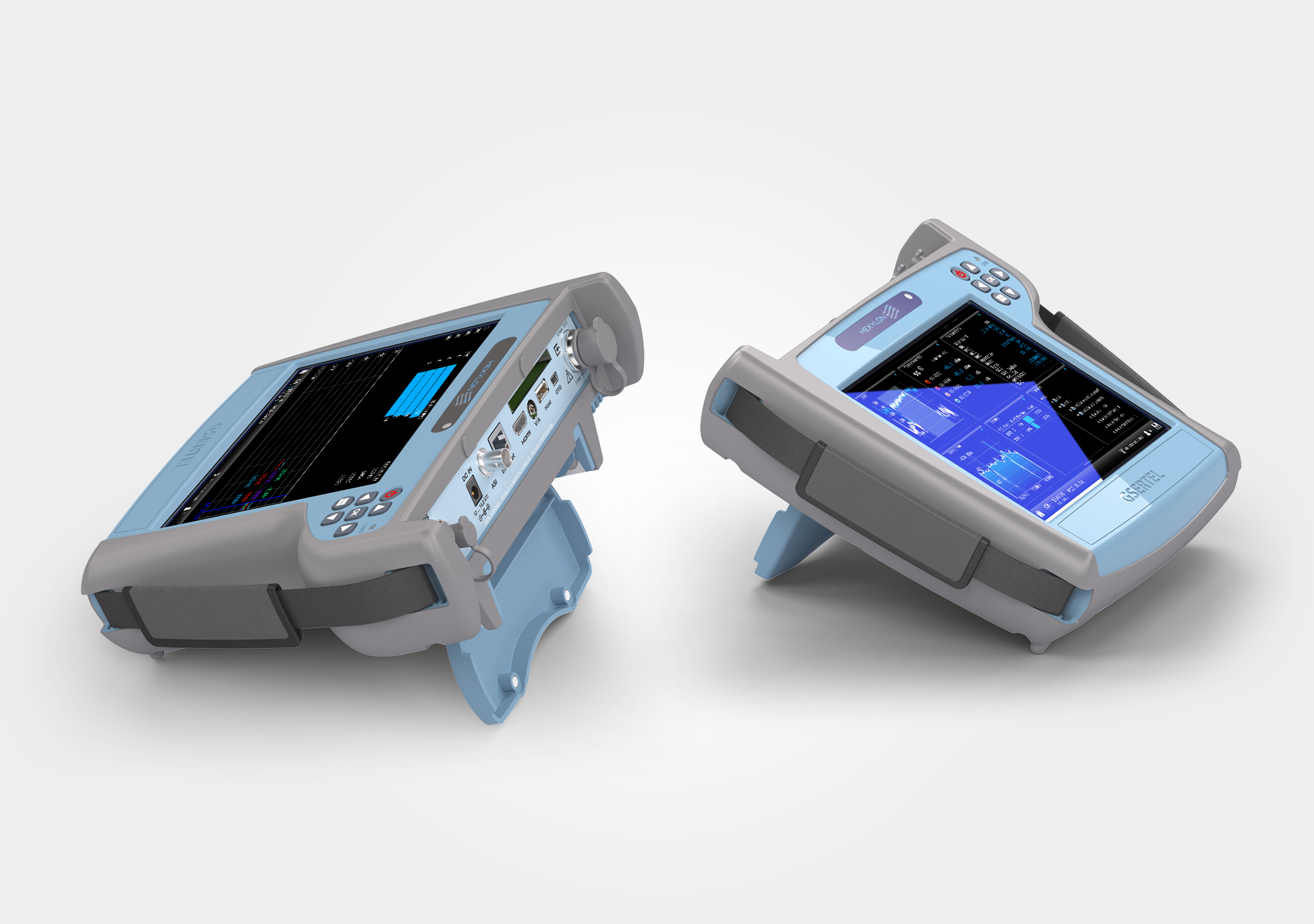
Gsertel Hexylon
Fixed monitoring stations
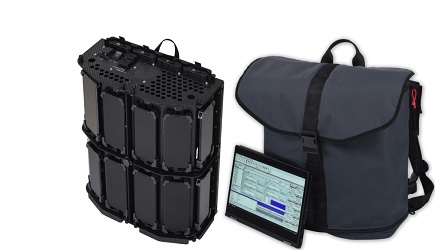
Keysight Nemo
Mobile QoS testing
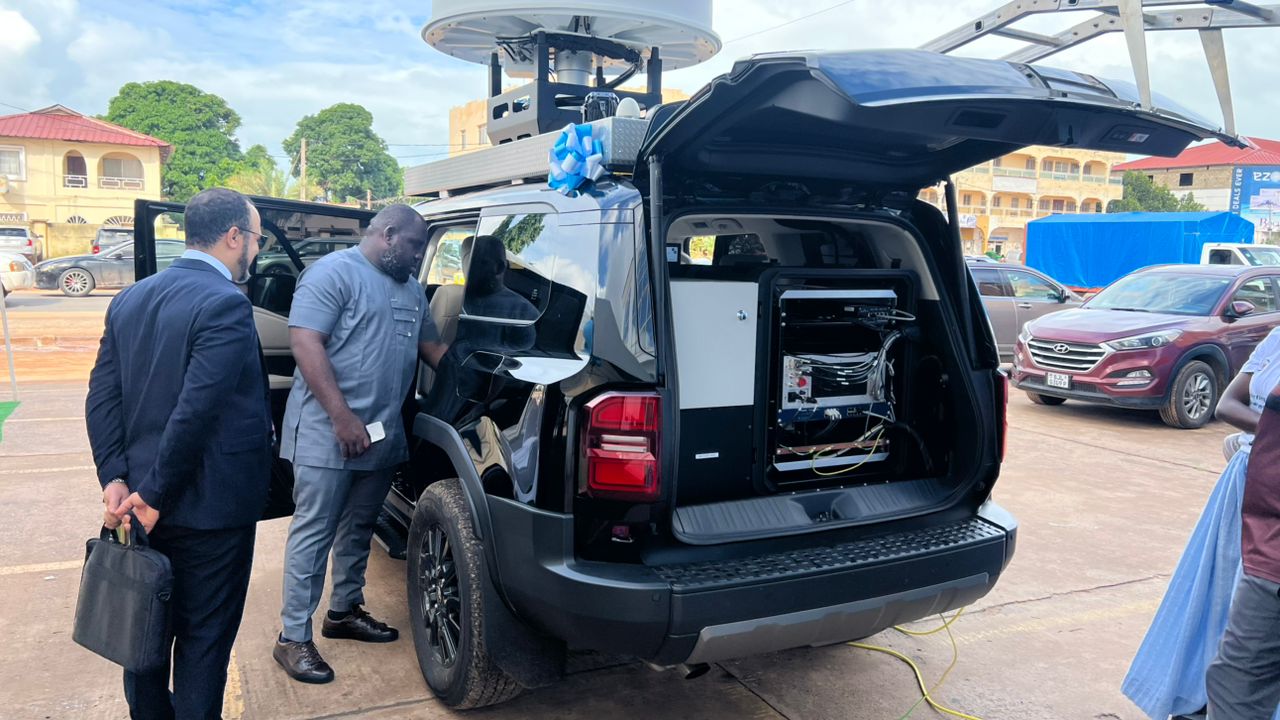
A laboratory
on wheels.
Our TCI spectrum monitoring vans are not vehicles with equipment bolted in — they are mobile laboratories carrying technology that would make any spectrum engineer smile.
At the heart of each van sits a premium wideband spectrum analyser sweeping from 9 kHz to 3 GHz at rates exceeding 100 GHz per second. But raw data is just the beginning. Direction-finding antenna arrays, precisely calibrated and GPS-synchronised, pinpoint interference sources to within 2 degrees of accuracy.
The magic happens in the software layer — the TCI Scorpio client. Algorithms process raw RF data in real time, identifying unauthorised transmissions, measuring signal strength, analysing modulation patterns and predicting propagation from terrain and weather.
And when teams are in the field, satellite, VPN and WAN links stream data back to central operations, enabling collaboration between field engineers and headquarters staff thousands of kilometres away.
Mission-critical
capabilities.
Precision direction finding
Antenna arrays and correlation algorithms enable rapid identification and localisation of interference sources. Drive-by detection means suspicious signals can be tracked while in motion.
Wideband analysis
Continuous monitoring from VLF through microwave. Real-time spectrograms, waterfall displays and automated signal classification give complete awareness of the RF environment.
GPS-synchronised mapping
Every measurement is geo-tagged with sub-metre accuracy. Build coverage maps, track propagation over time and create detailed evidence packages for enforcement.
Automated interference detection
Algorithms continuously scan for anomalies — unauthorised transmissions, harmonics, spurious emissions and out-of-band signals — with instant alerts when threats appear.
Always mobile,
always ready.
The airport interference mystery
Air traffic controllers reported intermittent interference on critical aviation frequencies. Fixed stations could not locate the source. Within 48 hours of deploying a mobile van, engineers pinpointed the culprit: a poorly maintained telecommunications tower 12 kilometres from the airport. The interference disappeared within hours of repairs.
Aviation safety restored · 2 days vs. estimated weeks
Illegal broadcast crackdown
Multiple unauthorised FM stations had operated for months, evading fixed monitoring. Using drive-test capability and direction finding, field teams mapped 15 illegal transmitters in a single week. Follow-up enforcement resulted in 12 successful shutdowns.
Spectrum integrity restored · Revenue recovered for licensed operators
Coverage verification audit
A major mobile operator claimed national coverage to justify licence fees. Systematic drive-testing revealed significant gaps in rural areas. The data-driven evidence led to licence renegotiation and accelerated rural infrastructure deployment.
Regulatory accountability · Improved rural connectivity
Growing regional
presence.
Gambia
2025 · Nationwide
A fully equipped vans provide complete territorial coverage for this compact nation. Rapid response means interference complaints are addressed within hours, not days.
Ghana
2025 · Regional
Strategically positioned units cover Ghana's geography from Accra to Tamale. Dedicated units handle VHF/UHF broadcast monitoring and signal analysis. Integration with fixed stations creates a national spectrum management network.
Sierra Leone
2026 · Freetown
Our newest deployment represents the next generation of mobile monitoring — upgraded software, extended battery systems for remote operation and enhanced satellite communication. Success here paves the way for nationwide expansion.
Protecting the invisible infrastructure
More complex,
more capable.
As 5G networks roll out and satellite internet becomes mainstream, the spectrum management challenge only grows more complex. But so does our capability.
Next-generation systems under development will extend coverage to 6 GHz and beyond, incorporate automated enforcement capability, and add drone-deployable sensors for reaching genuinely remote locations.
The mission stays constant: ensuring the electromagnetic spectrum serves everyone fairly, efficiently and safely. One mobile unit, one measurement, one enforcement action at a time.
Chasing an
interference problem?
Tell us the bands you manage and the ground you cover — we will specify the mobile and fixed mix that fits.